Something changes in the body around forty. It is not dramatic. Most of the time it does not announce itself. The recovery from a hard workout simply takes a day longer. The morning stiffness lingers ten minutes more. Sleep becomes more sensitive to anything that disrupts it. The body that absorbed everything in the twenties begins, quietly, to ask for a different kind of attention.
This is the age at which most of my new students arrive. They have practised yoga before, often in their thirties, often in studios. They have tried the popular styles. Some have been injured by them. Most of them, when they come to me for private yoga sessions in Kuala Lumpur, are looking for something quieter, more sustainable, and more honest about the body they actually have now.
This article is about what the right kind of yoga looks like in midlife. What to leave behind. And why the slower path is the one that lasts.
What changes in the body around forty
Three things shift, and most yoga teaching does not adjust for any of them.
The first is connective tissue. The fascia, ligaments and tendons become slightly less elastic and slightly less forgiving. They take longer to warm up and longer to recover. Holding deep stretches the way many studio classes teach becomes more likely to cause small tears than it was at twenty-five.
The second is the spine. Years of sitting, of leaning into screens, of carrying tension in the upper body, of sleeping on soft mattresses, all begin to accumulate as structural compression. The neck stiffens. The lower back begins to ache for no apparent reason. The body is asking for a different kind of mobility work. Gentler. More frequent. More focused on rebuilding what has been lost than on pushing into new range.
The third is the nervous system. By forty, most adults have been living with chronic background stress for years. The system is in a state of low-grade alertness. Vigorous exercise, including vigorous yoga, often confirms the alarm rather than releasing it. The body needs the opposite signal. It needs the signal to rest. This is the same work I describe in detail in my article on how yoga helps with stress.
The Yogis state that the body is the finest instrument we are given. After forty, the instrument needs more careful tuning. Not less practice. Different practice.
What to leave behind
Let me be specific. The styles of yoga I think work poorly for most adults over forty are the following.
Hot yoga, particularly the very hot variants, is hard on the cardiovascular system, hard on hydration, and hard on the joints once the artificial warmth has loosened the connective tissue past what is safe. Many of the worst injuries I see in midlife students happen in hot yoga rooms. The heat lets the body go further than it should.
Power vinyasa, in its more intense expressions, is essentially a workout dressed in Sanskrit names. It is good cardiovascular exercise and there is nothing wrong with that. But it is not therapeutic, and it does very little for the deeper aims of the practice. For someone over forty who wants what yoga actually offers, power vinyasa is rarely the right tool.
Advanced asana classes that emphasise headstands, deep backbends, arm balances and complex postures should be approached cautiously after forty. These postures can be practised at any age with the right preparation. The problem is that most classes do not provide the preparation. The teacher demonstrates, the students attempt, and bodies that have not been properly readied end up with shoulder, wrist or neck injuries.
None of this means you cannot do hard things in your yoga practice. It means the hard things should be earned through years of patient foundation work, not pursued because they look impressive.
What to practise instead
The yoga that works for the body over forty is built around four elements.
One: breath as the engine
The breath becomes more central with age, not less. A practice that emphasises slow, deliberate breath, with long exhales, with pranayama woven through, addresses the nervous system in a way no posture sequence can. Most of the benefit my older students report is not from the postures. It is from the breath work. The postures support the breath. The breath does the deeper work. If you want to understand this directly, my breathwork classes in Kuala Lumpur teach this work in proper sequence.
Two: foundation over peak
The midlife body is rebuilt slowly. A practice that returns repeatedly to the foundation postures, the Cat Stretch, gentle twists, hip openers, careful forward folds, simple standing poses, will give more lasting benefit than a practice that chases peak postures. The aim is consistency, not intensity. The slow path is the longer one.
Three: alignment, not depth
How a posture is performed matters far more after forty than how deep it goes. A small forward fold done with good spinal alignment will give more benefit than a deep one done with a rounded back. A short Downward Dog with the shoulders properly placed will protect the wrists for decades. Depth without alignment is the most common source of injury I see in midlife students.
Four: rest as practice
The Shanti Asana, the long final relaxation, is not the end of the class. It is the most important part of the class. Ten minutes of properly guided relaxation, in which the nervous system is allowed to settle, can equal hours of sleep. The Yogic texts say this. My students confirm it. For an adult over forty whose sleep is already compromised by stress, this is medicine.
The postures I would start a new student on
If you are over forty and beginning, this is roughly the foundation I would build around. Done well, these postures alone will keep the body remarkably healthy.
- Marjarasana, the Cat Stretch. Every vertebra is expanded and contracted, giving maximum elasticity to the spine. It strengthens the wrists and shoulders, tones the stomach muscles, and gives the digestive system a gentle massage. The texts say this single posture promotes a long and healthy life.
- The Balancing Table. An excellent posture to relieve lower back pain. It enhances concentration, strengthens the abdominal muscles, and lengthens the spine.
- Tree Pose, Vrikshasana. Builds poise, balance and steadiness. It steadies the mind, helps with sciatica, and tones the muscles of the whole body. Balance becomes more important after forty, not less.
- Standing Pose, properly held. A simple standing alignment, when done mindfully, is one of the most underrated postures in yoga. The body relearns how to hold itself against gravity.
- Forward Bend with hands clasped. Opens the chest, lengthens the spine, and counteracts the compression of years at a desk.
- Lobular breathing exercises. The lower, middle and upper lobes of the lungs each need to be flushed and nourished with Prana. After forty, most people are using only the middle lobe of the lungs. The Yogis have specific techniques to restore the rest.
- Shanti Asana, the Pose of Peace. Ten minutes of guided relaxation at the end. The body learns to release the day. The mind follows. Sleep deepens. This single posture, practised daily, is more valuable to a midlife body than any other I could prescribe.
What a good practice looks like in midlife
For most of my students over forty, the ideal practice looks something like this.
- Five to ten minutes of breath work in the morning, sitting quietly, before anything else begins.
- Two to three longer sessions a week, between forty-five and seventy-five minutes, with a teacher who can adjust to what your body needs that day.
- A few minutes of breath work in the evening, particularly the lengthened-exhale breath, to help the body settle into sleep.
- An occasional rest week. The midlife body does not need to be perfectly consistent. It needs to be patient with itself.
The total time commitment is not large. Perhaps three hours a week. The compound benefit, over years, is something most students would not trade.
The longer view
There is something the yoga tradition understood long before modern medicine arrived at the same conclusion. The body that is treated gently lasts longer. The body that is treated harshly does not. We see this in elite athletes, who often pay in their forties and fifties for what they did in their twenties and thirties. We see it in yoga teachers who pushed too hard in their youth and now teach with chronic shoulder, wrist or knee injuries from the postures they once celebrated.
A practice in midlife should be designed around what is true now, not what was true twenty years ago. The pace is slower. The hold is shorter. The breath is longer. The aim is not to push the body. The aim is to give the body, every day, a reason to recover.
Done this way, yoga is one of the few practices that becomes more rewarding as the years go on. The body at seventy, in this practice, is often more capable than the body at fifty was when it began. The mind is steadier. The breath is calmer. The sleep is deeper. The work is cumulative.
If you are over forty and looking for a sustainable practice, this is the work I do every day with new students. Send me a message about private yoga sessions in KL or PJ. The right kind of yoga is the kind you can still be practising at eighty.
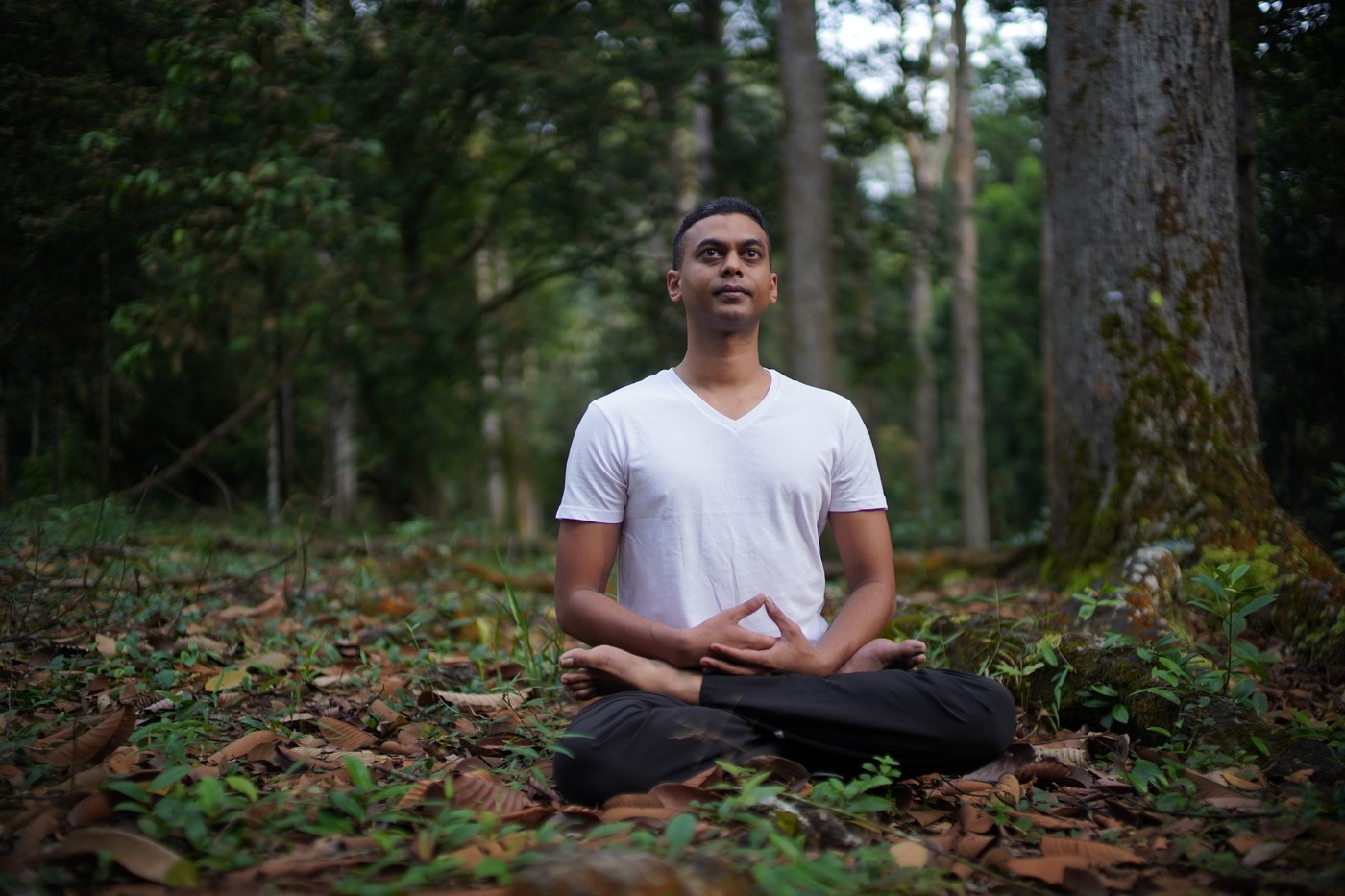
Aman Merican
Private yoga teacher in Kuala Lumpur. A third generation teacher, teaching one to one since 2007, with over 500 students taught. Read his story.